Cost-effective Audi brand Components for Buying – Boost Your Driving Experience
Upgrading an Audi does not have to be an expensive endeavor. Thanks to various online retailers and local salvage yards offering affordable parts, enthusiasts can find quality components that fit their budget. From performance enhancements to aesthetic upgrades, options abound. However, the challenge lies in identifying the best sources and understanding what truly adds value. As the market expands, knowing where to start becomes fundamental for any Audi owner seeking improvement. What steps should one take next?
How to Locate Cost-Effective Audi Parts
Where can car enthusiasts find affordable Audi parts without sacrificing quality? Many fans rely on reputable online retailers specializing in car components. Websites dedicated to Audi parts often offer a broad range, ensuring customers can find what they require at competitive prices. In addition, forums and communities dedicated to Audi ownership provide helpful hubs. Members frequently share leads on trustworthy suppliers or second-hand parts that maintain high standards of quality.
Local salvage yards also offer an cost-effective option for sourcing used Audi parts. These yards typically have a selection of vehicles, allowing enthusiasts to find exact components at lower prices. It is crucial for buyers to verify the condition of used parts to confirm reliability. Finally, aftermarket manufacturers frequently produce cost-effective alternatives that meet or exceed OEM specifications. By exploring these avenues, Audi owners can effectively find affordable parts without sacrificing performance or quality.
Cost-Effective Capability Improvements for Your Audi
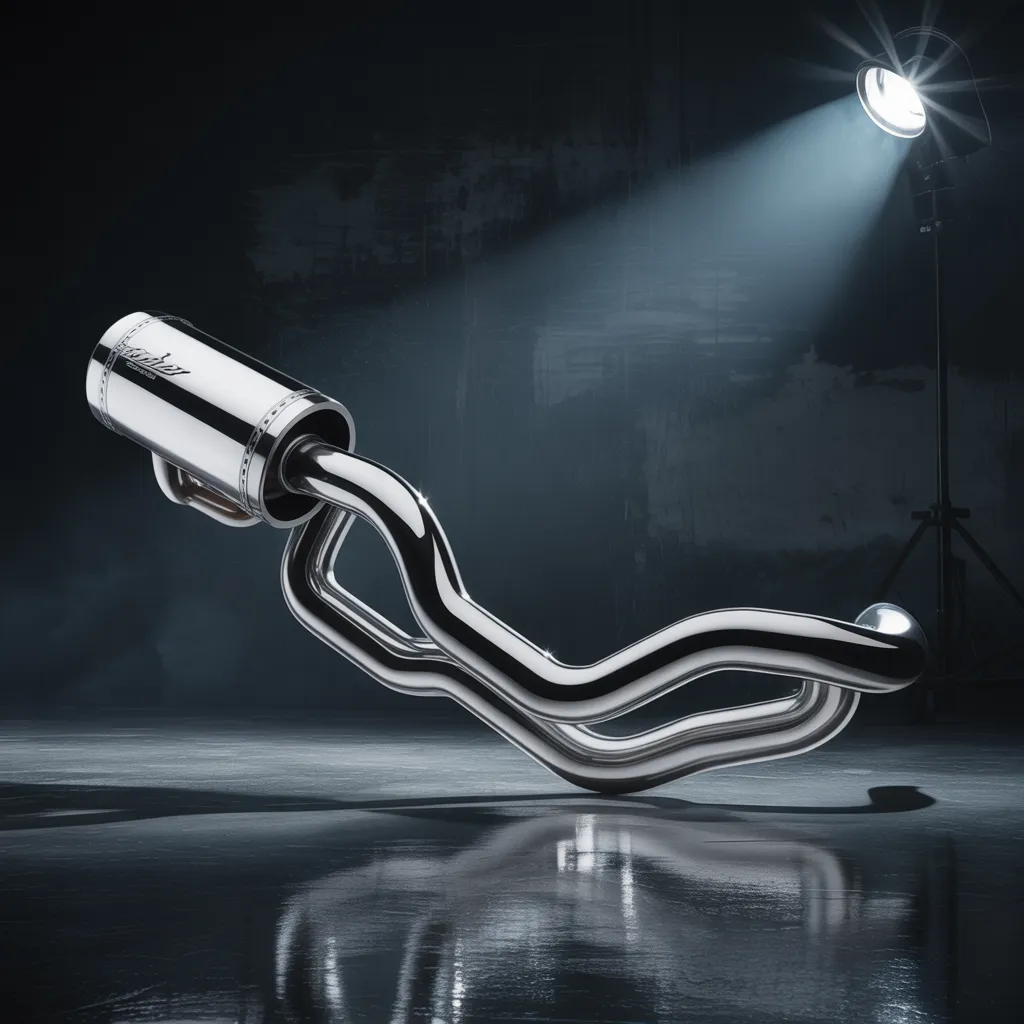
Many Audi owners look for cost-effective performance upgrades to boost their driving experience without exceeding their budget. One favored choice is upgrading the air intake system, which increases engine efficiency and responsiveness. Furthermore, performance exhaust systems can deliver a clear increase in horsepower while enhancing the vehicle's sound.
Another budget-friendly upgrade is a remapped ECU, enabling better throttle response and boosted power output. Suspension upgrades, such as performance springs or sway bars, can also improve handling and stability, keeping the vehicle more enjoyable to drive.
Finally, low-weight wheels not only improve aesthetics but also decrease unsprung weight, leading to better acceleration and braking performance. By focusing on these cost-effective performance upgrades, Audi owners can greatly enhance their vehicle’s capabilities while keeping within budgetary constraints.
Cost-Effective Audi Design Updates
While improving efficiency is vital, many Audi owners also consider styling improvements that can enhance their vehicle's aesthetic without overspending. Simple tweaks can considerably alter the overall look of an Audi. For instance, upgraded grilles and tailored decals provide a special element, helping owners to express their personal style.
Switching to LED fixtures, inside and outside, increases visibility and enhances the vehicle's aesthetic. Furthermore, quality floor mats and seat covers can help to practical guide refresh the interior at minimal cost.
Changing wheels through refinishing or fitting trendy alloy rims can dramatically enhance the car's image and character. Additionally, window tints not only improve privacy but also contribute a sleek finish.
These money-saving aesthetic improvements enable Audi admirers to enjoy a personalized ride that reflects their individuality without straining their wallets. By making careful selections, drivers can produce a standout look that supports their driving experience.
DIY Fitting Tips for Audi Parts
For Audi owners seeking to boost both efficiency and aesthetics, attempting DIY installations can be a beneficial experience. First, research the exact part to grasp its function and installation details. Online forums and manufacturer manuals provide useful insights that can ease the process.
Proper tools are important; a fully equipped garage with basic hand tools, torque wrenches, and specialty tools for Audi models will assist in smoother installations. Furthermore, ensure that the vehicle is parked on a level ground and that all safety protocols are adhered to, including the use of jack stands.
Before starting, arrange all components and connectors to avoid confusion. It’s wise to take photos during disassembly to assist during reassembly. Finally, if any challenges arise, consulting a professional or seeking help through online communities can provide guidance and ensure the installation meets high standards. With patience and attention to detail, DIY enthusiasts can effectively upgrade their Audi.
Picking the Highest Grade Audi Parts Cost-Effectively
Finding excellent Audi parts on a budget can create a challenge for owners who want to maintain their vehicle's working condition without excess expenditure. To manage this setting, it is vital to discover trusted sources. Reputable online retailers often provide reasonable prices and customer reviews, guiding buyers in judging product quality.
When picking parts, opting for OEM (Original Equipment Manufacturer) components provide compatibility and durability, though they may be more expensive. Conversely, aftermarket parts provide notable savings, but thorough research is crucial to prevent subpar quality.
Another method is to check out local salvage yards or automotive forums, where passionate individuals sell used parts at lower prices. Establishing a budget and targeting essential upgrades can also aid in making informed decisions. By utilizing these avenues, Audi owners can find a middle ground between budget-friendliness and quality, making sure their vehicles remain in top condition without financial strain.
Audi Maintenance: Top Recommendations for Long-Term Performance
Proper maintenance is important for prolonging the useful life of an Audi. Regular oil changes, typically every 5,000 to 10,000 miles, make sure that the engine runs smoothly. Checking and replacing air filters improves fuel efficiency and engine performance. Routine inspections of the brakes, tires, and suspension components help detect wear and tear before they lead to expensive repairs.
Maintaining proper tire pressure not only boosts safety but also heightens fuel efficiency. Additionally, keeping an eye on fluid levels—such as coolant and brake fluid—can prevent overheating and other mechanical issues.
Using reliable parts, whether OEM or aftermarket, contributes to the vehicle's long-lasting nature. Regularly scheduled maintenance, as explained in the owner's manual, is necessary for keeping up the Audi's function and resale value. By sticking to these guidelines, Audi owners can appreciate their vehicles for years, guaranteeing a trustworthy and pleasant driving experience.
Frequently Asked Questions
Can Replacement Parts Equal the Reliability of OEM Parts for Audis?
Aftermarket components can be trustworthy, but quality varies considerably between manufacturers. Some might meet or outperform OEM standards, whereas others do not. Research and feedback are vital to ensure proper performance and durability for Audis.
How can I verify the authenticity of Audi components?
To verify the authenticity of Audi parts, it is important to inspect the product packaging for authentic logos, refer to vehicle identification numbers, purchase from authorized dealers, and examine the product documentation, ensuring compliance with Audi's specifications and standards .
What Warranties Are Provided for Budget-Friendly Audi Parts?
For affordable Audi parts, multiple warranties are available, including manufacturer warranties, limited lifetime guarantees, and comprehensive maintenance plans. Every option covers defects, making sure customers get quality parts for their vehicles.
Can You Blend and Pair Parts From Multiple Audi Types?
Combining and matching parts from various Audi variants is doable, yet compatibility changes. It is important to verify specs and seek advice from a professional to assure optimal efficiency and prevent potential issues with working or safety.
How can I check if a part is suitable for my Audi?
To verify if a component is compatible with an Audi, you should check the vehicle identification number (VIN), consult the owner's manual, or refer to esteemed online databases and forums dedicated to Audi parts compatibility.